Published September 23, 2026 · Images are illustrative
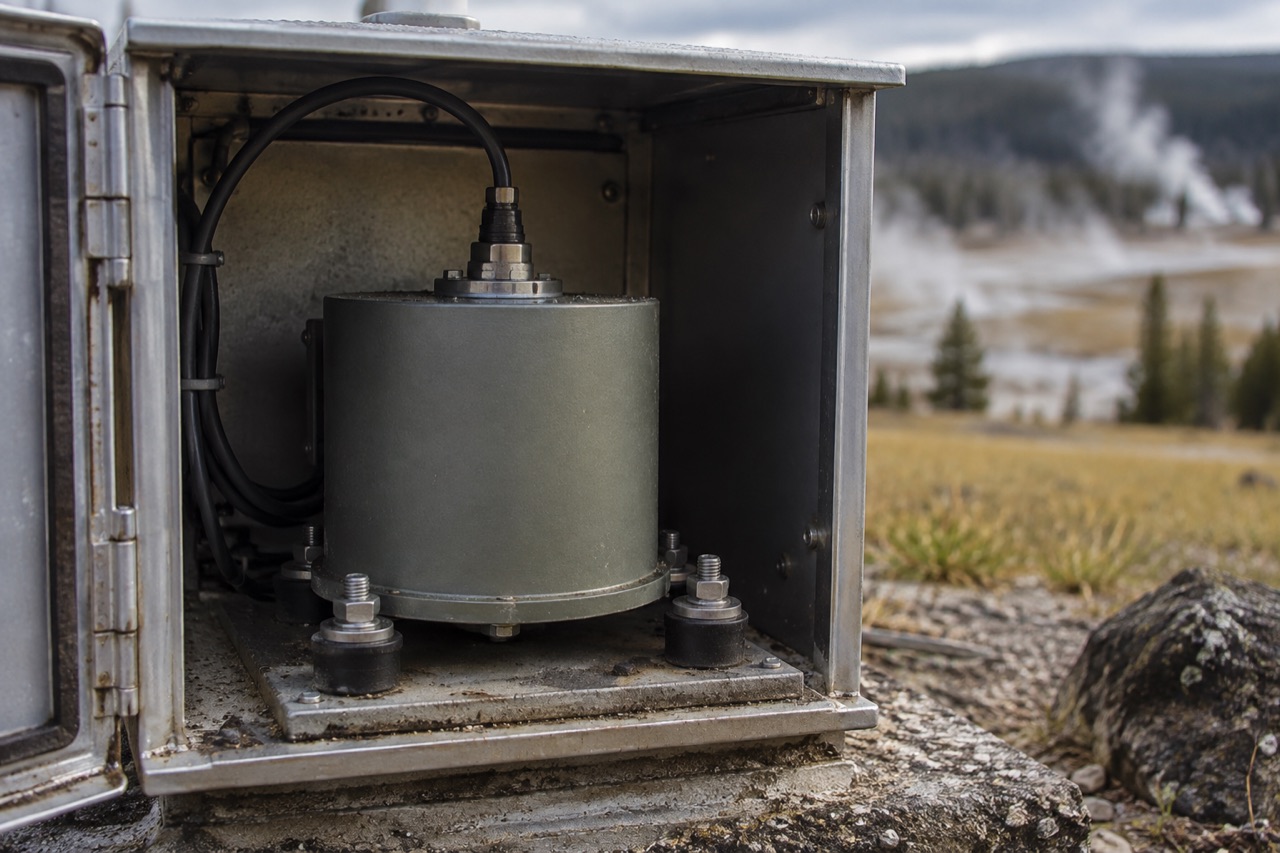
First, the map: the famous caldera is at Yellowstone, not Yosemite. Second, there is no scientific clock counting down to a “supervolcano” eruption. The U.S. Geological Survey’s Yellowstone Volcano Observatory monitors earthquakes, ground movement, gas, and hydrothermal activity to understand what is actually happening.
At the time of its recent 2026 update, the observatory listed Yellowstone at NORMAL alert level. Earthquakes and hydrothermal changes are part of a restless geothermal landscape; an isolated quake or a dramatic-looking spring is not evidence that a giant eruption is imminent. The USGS estimates the annual probability of another caldera-forming eruption at roughly one in 730,000—a geological estimate, not a date prediction.
There are hazards worth taking seriously in Yellowstone, including local hydrothermal features and earthquakes. That is precisely why measurements and alert levels matter. They allow a specific warning to be distinguished from a frightening image or a recycled eruption rumor.
If a claim says the volcano has “awakened,” check the observatory update and its date. A real change in alert level will come with a direct explanation from the scientists watching the instruments.
Check the signal
Conditions and guidance can change after publication. Consult these primary sources for current information:
The signal continues
These reports are part of the Indrid Coald world. Listen to the music, watch the transmissions, or explore the art behind it.