Published September 23, 2026 · Images are illustrative
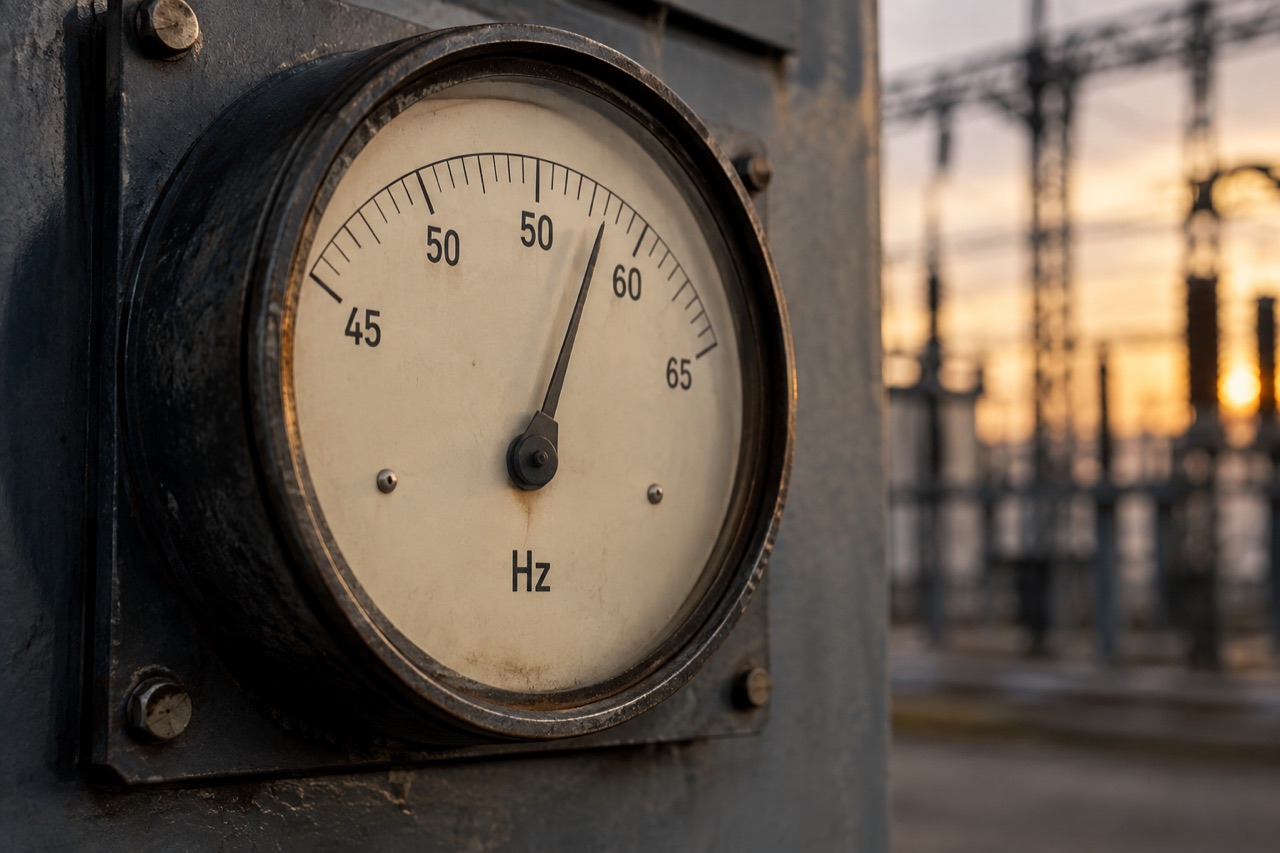
Electric-grid warnings are often flattened into a single frightening sentence: the whole system is failing. The North American Electric Reliability Corporation’s 2026 summer assessment described a more specific picture. New generation and batteries strengthened reserves, while rapid demand growth, extreme heat, drought, and other conditions could still strain particular regions.
NERC identified three regions and one locality at elevated risk under abnormal summer conditions, down from six regions the year before. That does not mean outages cannot happen elsewhere. Storm damage, equipment failures, and local distribution problems are different from the bulk-power supply shortfalls in a seasonal reliability assessment.
The useful signal is where reserve margins tighten, when demand peaks, and whether transmission and new resources are keeping pace. A growing data-center load may matter in one service territory while a heat wave or delayed plant outage matters more in another. A forecast is an invitation to plan, not a declaration of failure.
Households can follow their utility’s outage alerts and local emergency guidance. Policymakers and grid operators need the deeper work: demand forecasts, transparent connection queues, maintenance, transmission capacity, and a portfolio that holds up when weather is not average.
Check the signal
Conditions and guidance can change after publication. Consult these primary sources for current information:
The signal continues
These reports are part of the Indrid Coald world. Listen to the music, watch the transmissions, or explore the art behind it.