Published September 23, 2026 · Images are illustrative
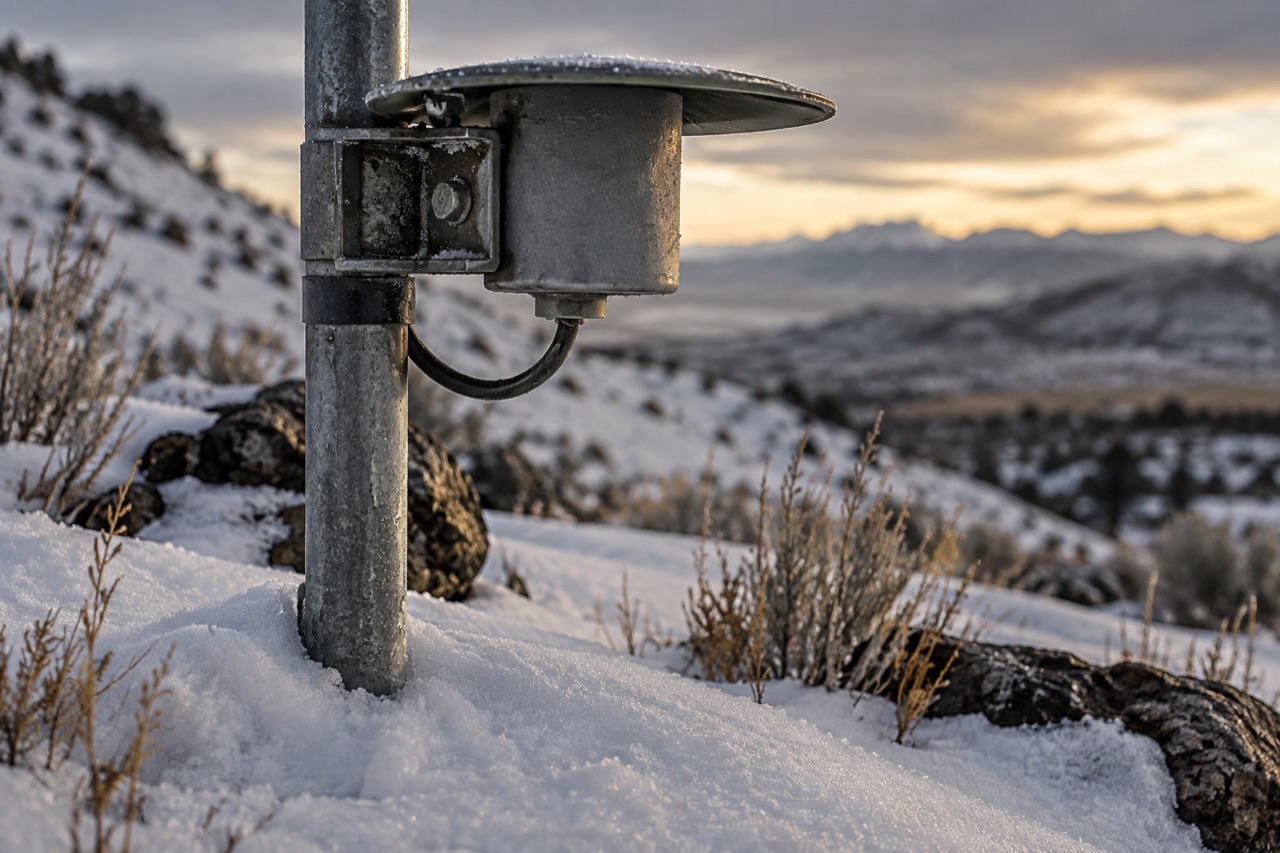
A rainstorm can change a landscape in an afternoon. A regional water system changes more slowly. Drought.gov reported widespread Southwest drought in June 2026 alongside exceptionally poor winter snowpack. That matters because mountain snow feeds streams and reservoirs long after a storm has passed.
To read the warning honestly, keep several instruments in view: snow-water equivalent, soil moisture, streamflow, reservoir storage, temperature, and the U.S. Drought Monitor. A good monsoon can relieve heat and dryness in one place while doing less for a river basin that depends on winter snow upstream. A dry summer does not mean recovery is impossible, either.
The phrase “may never recover” skips the decisions people still control. Water policy, conservation, agricultural use, infrastructure, and future climate all affect what recovery can mean. The scale of the challenge is serious enough without claiming a single irreversible ending.
The practical signal is whether supply and use are converging over years, not whether a weekend storm made the map look greener. Check the latest drought and reservoir data, then ask what the trend means for the community actually drawing from that water.
Check the signal
Conditions and guidance can change after publication. Consult these primary sources for current information:
The signal continues
These reports are part of the Indrid Coald world. Listen to the music, watch the transmissions, or explore the art behind it.