Published September 23, 2026
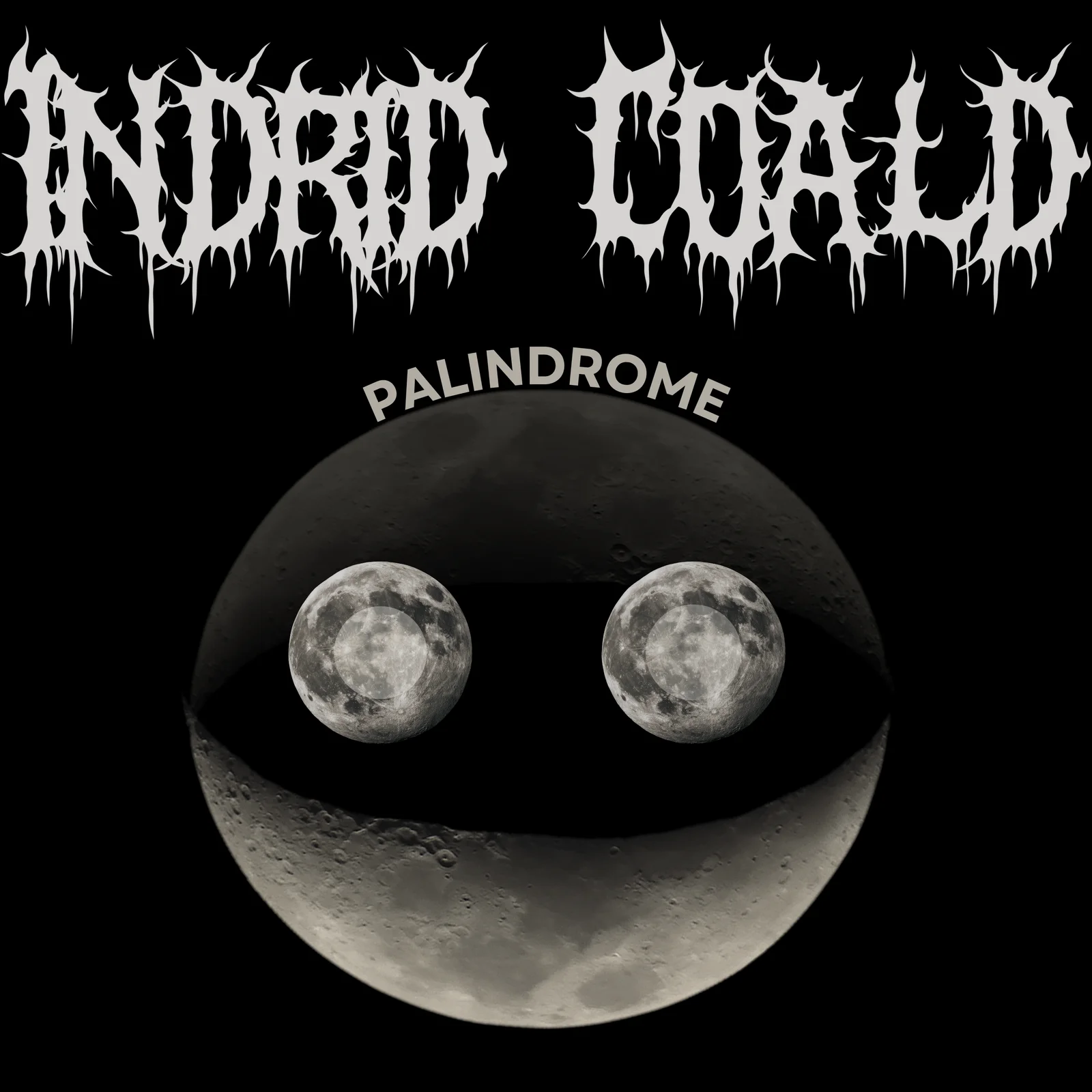
A palindrome looks different until you read it the other way. In Indrid Coald’s “Palindrome,” that trick becomes a picture of political power: a promise of a new future that somehow brings ordinary people back to the same struggle. The song is furious, but its target is not a voter or a country. It is the habit of demanding trust while making daily life harder to navigate.
That feeling has a material side. The International Labour Organization’s 2026 employment report says job quality and inequality remain serious challenges even as headline employment holds up, and that real wage growth has not fully recovered from recent inflation shocks. The OECD’s 2026 trust survey finds a marked gap in trust between people who are worried about household finances and those who are not. Those reports do not “prove” a song; they help explain why its question lands.
When authority is misused, the damage does not stay inside a speech or a parliament. It travels into rent, time off work, a medical bill, the price of food, the feeling that your voice will not matter when a decision is made. Worldwide patterns vary, and no single villain explains every hardship. But people can recognize a cycle in which those with the most power ask everyone else to absorb the cost of their choices.
“Palindrome” does not offer a party line or a rescue plan. It offers a refusal to confuse repetition with progress. The larger Indrid Coald warning is about fear: institutions and media can make fear so constant that it becomes easier to govern, sell to, and divide an exhausted public. Listen to the track. Then step back from the spectacle long enough to ask who benefits when every day is presented as an emergency.
Explore the song and context
The song and background sources behind this reading:
- Listen, buy, and explore Palindrome
- ILO Employment and Social Trends 2026
- OECD Survey on Drivers of Trust 2026
The signal continues
These reports are part of the Indrid Coald world. Listen to the music, watch the transmissions, or explore the art behind it.