Published September 23, 2026 · Images are illustrative
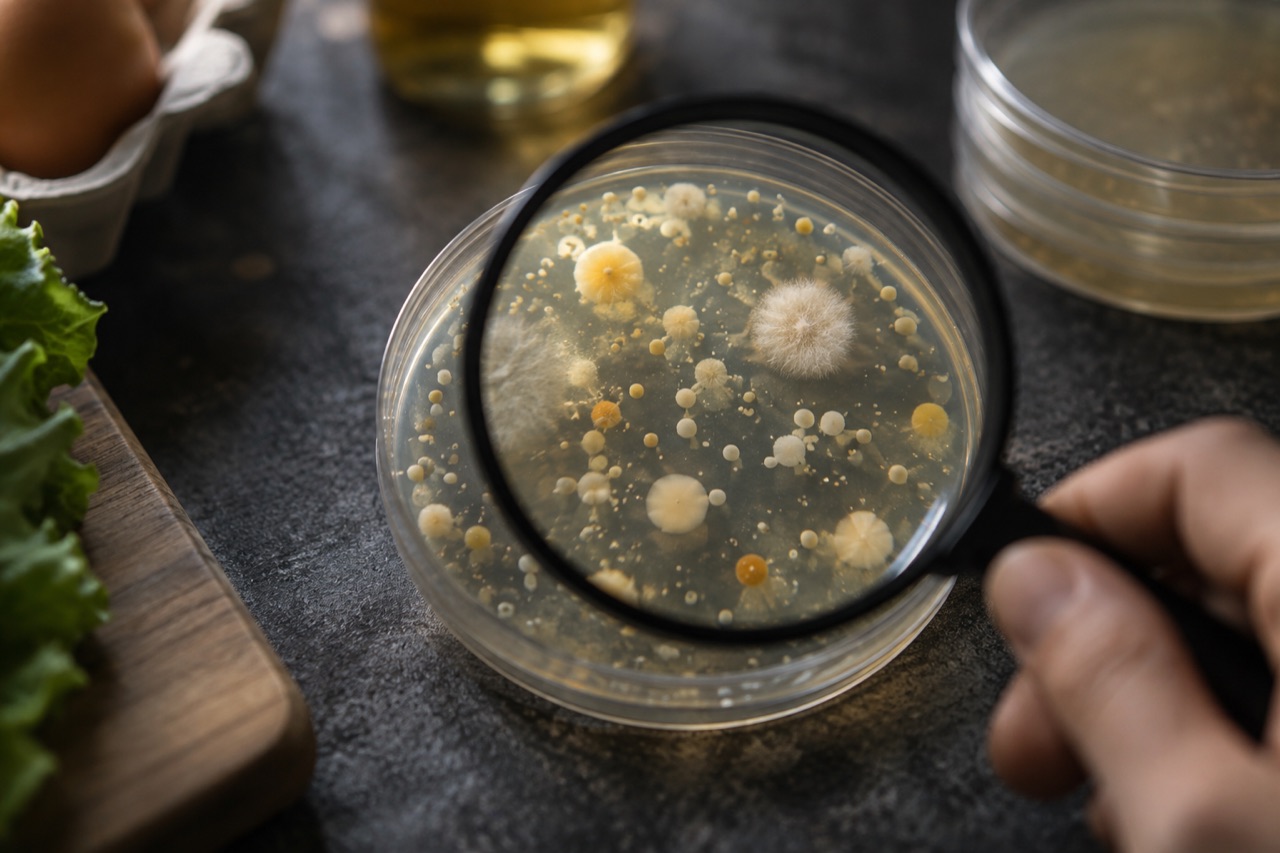
A story about an “epidemic of food illness” can make every meal feel suspect. The more useful story is how investigators detect an actual outbreak. CDC’s PulseNet network looks for people sickened by bacteria with matching genetic fingerprints. A cluster is a lead; investigators then compare exposures, interview patients, trace products, and test samples.
The sequence matters because an early association can change. People may have eaten many of the same foods; reporting and laboratory confirmation take time. A recall or public warning should be tied to a named product, lot, place, or exposure when investigators have that evidence. Sharing a screenshot without its date or identification details can create confusion long after an investigation changes.
Food safety is a real public-health problem, and serious outbreaks deserve prompt attention. But there is no benefit in treating every detection as proof of a sweeping new epidemic. The CDC’s live outbreak notices and FDA recall pages are more useful than an undated viral post.
When an alert affects your household, match the exact product and lot information, follow the agency’s disposal guidance, and seek medical advice if you may be ill. That is an actionable warning. Everything else is noise.
Check the signal
Conditions and guidance can change after publication. Consult these primary sources for current information:
The signal continues
These reports are part of the Indrid Coald world. Listen to the music, watch the transmissions, or explore the art behind it.