
Published September 23, 2026 · Images are illustrative
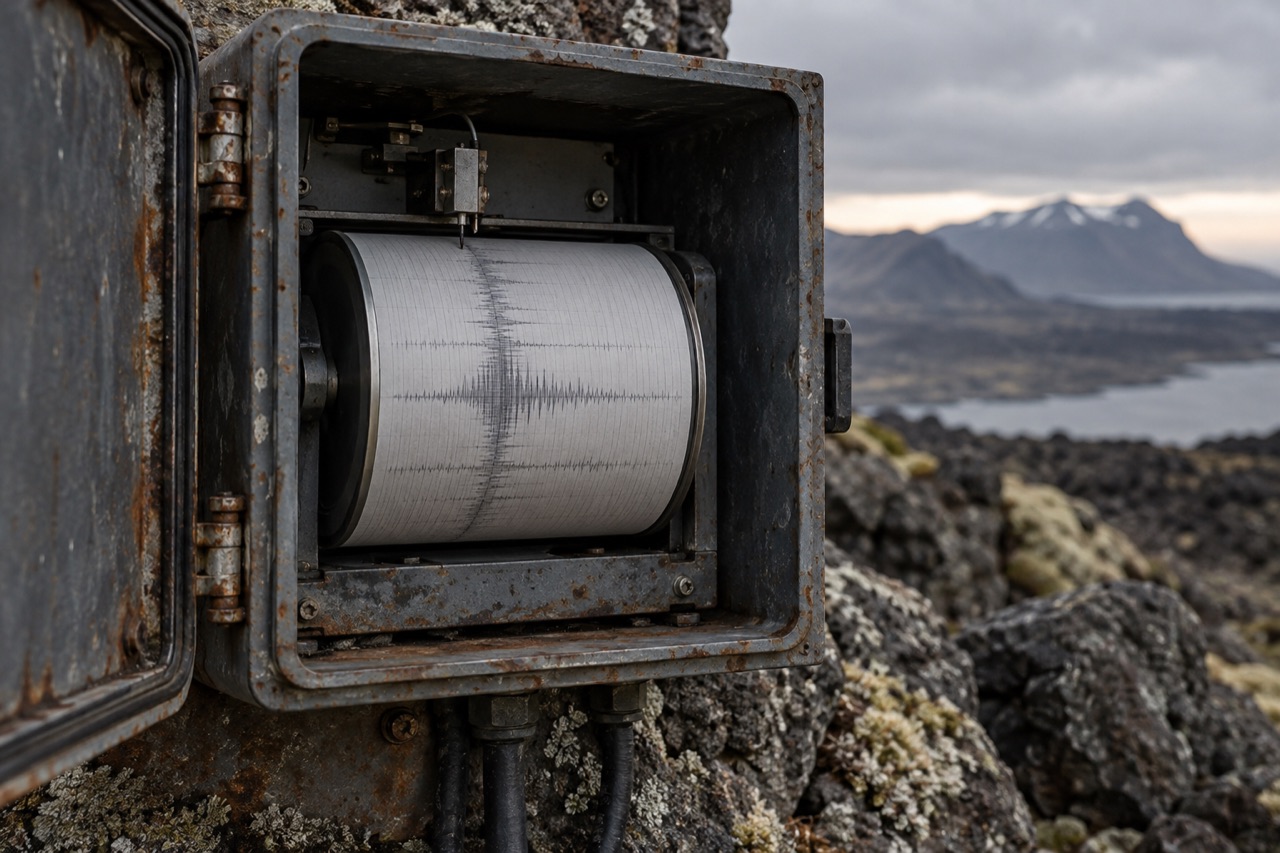
A phone alert before shaking can feel like a prediction. It is not. The USGS ShakeAlert system detects an earthquake that has already begun. Sensors near the source register the first waves, computers estimate the likely shaking, and an alert may reach people farther away before the stronger waves do.
That window can be short—or absent near the epicenter. A sensor network cannot tell us the exact day and location of a future earthquake. It can give people and automated systems a chance to act once one starts. Those seconds can be enough to drop, cover, and hold on, or for a train or industrial system to make a protective change.
The distinction between prediction and detection is not pedantic. False claims of precise earthquake forecasts spread because they offer certainty where science has none. Real early warning is narrower, but more useful: it connects measured ground motion to an immediate action.
Know the alerts available where you live and practice the protective step before you need it. The best warning system is not just a sensor; it is a sensor, a message, and a person who knows what to do next.
Check the signal
Conditions and guidance can change after publication. Consult these primary sources for current information:
The signal continues
These reports are part of the Indrid Coald world. Listen to the music, watch the transmissions, or explore the art behind it.